اخبار الاردن
تضامن تنفذ جلسات وطنية حول أهمية المشاركة السياسية للشباب والنساء توصيات مجالس الإدارة المحلية والمحافظات

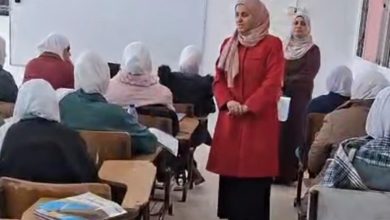
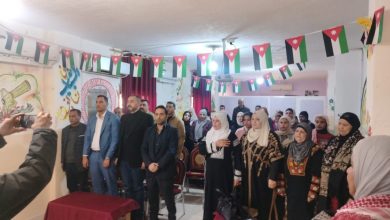
الملف الإخباري- نظمت جمعية معهد تضامن النساء الأردني جلسات حول تحديث الإدارة المحلية والمحافظات، ضمن مشروع صوّت لتفعيل دور المرأة والشباب في الحياة السياسية، حيث تأتي هذهِ الجلسات على مستوى التشريعات وتوصيات اللجنة الملكية لتحديث منظومة الحياة السياسية فيما يتعلق بمشاركة المرأة والشباب، وذلك في إطار مشروع صوّت لتفعيل دور المرأة والشباب في الحياة.
وأكد الدكتور علي الخوالدة الأمين العام لوزارة الشؤون السياسية والبرلمانية في كلمته أن المرأة الأردنية تشكل نصف المجتمع، بل هي في قلب كل المجتمع ولا يمكن تحقيق أي تقدم دون مشاركة حقيقية وفاعلة لها مشيرًا إلى أن الأمن هو المدخل الأساسي للحفاظ على الحقوق وأن فقدانه يعني فقدان بقية الحقوق.
وأضاف أن الدولة الأردنية التي تجاوز عمرها المائة عام قطعت شوطًا كبيرًا في مسيرة تمكين المرأة في الحياة العامة، من خلال تعديل التشريعات والنظر إلى قضايا المرأة بمنهج شمولي، مشيرًا إلى أن التحديث السياسي أفضى إلى قوانين جديدة مثل قانوني الانتخابات والأحزاب، موضحًا أن قانون الانتخاب الحالي يضمن تمثيل النساء عبر وضعهنّ في مقدمة القوائم العامة الثلاث الأولى.
وأكدت نهى محريز، رئيسة الهيئة الإدارية في تضامن، أن مشاركة النساء في الحياة السياسية تُعد ركيزة أساسية تسهم في تنفيذ الخطط الوطنية المرتبطة بالقرارات والاتفاقيات الدولية التي صادق عليها الأردن، كما تمثل عنصرًا محوريًا في تحقيق التحديث السياسي الشامل.
وبينت الأستاذة أنعام عشا المدير التنفيذية لتضامن أن الجمعية تأسست عام 1998 وتعد من أبرز المؤسسات الوطنية العاملة في مجال قضايا المرأة، وتمتلك شبكة واسعة من الشراكات الفاعلة، وأوضحت أن مشاركة المرأة والشباب في الحياة السياسية يخدم الصالح العام ويحقق أهداف التنمية المستدامة الوطنية، ويحقق السلم المجتمعي ويؤدي إلى تكامل الأدوار المختلفة.
كما أكدت الدكتورة زهور غرايبة، مسؤولة مشروع “صوّت”، أن الدولة الأردنية تمضي بخطى واضحة نحو تعزيز مشاركة الشباب والنساء في الحياة السياسية، وهو ما تجلّى في التعديلات الدستورية وقانوني الانتخاب والأحزاب التي أُقرت عام 2021.
وأضافت أن هذا النهج يجب أن يستمر ويتعزز في المرحلة الراهنة، لاسيما في ظل قرار الحكومة بحل المجالس البلدية ومجالس المحافظات، مما يستدعي الأخذ بالتوصيات الصادرة عن اللجنة الملكية لتحديث المنظومة السياسية، وخاصة تلك المتعلقة بتمكين المرأة والشباب وإشراكهم بفاعلية في مواقع صنع القرار.
وقالت المتحدثة النائب السابق أسـمى الرواحنه خلال الورشة إن توصيات اللجنة الملكية لتحديث المنظومة السياسية فيما يتعلق بمشاركة النساء والشباب وتعديلات قانون الإدارة المحلية تخدم الصالح العام.
وأكدت الرواحنه أهمية ممارسة النساء لدورهنّ في العمل العام ضمن الأطر الرسمية مشيرة إلى أن وجود المرأة في المجالس يحقق تميزًا في العمل المحلي ويعكس أولويات المجتمع بشكل أفضل مشددة على ضرورة تحديد وصف واضح لمهام عضو مجلس المحافظة وتفعيل آليات تضمن تمثيلاً حقيقيًا ومتكاملاً مع مراعاة الحاجة لتعيين أعضاء بشكل تكميلي عند الحاجة.
وأشارت إلى أهمية تحديد أولويات المحافظات بناء على رؤية المجالس المحلية وبمشاركة الأهالي مؤكدة أن وضع الميزانيات يجب أن يتم بالتعاون مع مختلف الجهات وبما يتناسب مع احتياجات المجتمع الفعلية وليس لمصالح ضيقة لبعض الأعضاء.
وبينت أن هذه التوصيات تمثل خطوة مهمة نحو ترسيخ الحكم المحلي الفاعل وتحقيق التنمية الشاملة، إذ تعزز دور المجالس المنتخبة في اتخاذ القرارات التنموية التي تمس حياة المواطنين بشكل مباشر، كما ستسهم في تخفيف العبء عن الحكومة المركزية وتلبية احتياجات المواطنين بكفاءة وعدالة.
وشددت الرواحنه على ضرورة إحداث تغيير ثقافي في آلية اختيار المشاريع التنموية داعية إلى تعزيز مبدأ الشراكة الفاعلة بين المجالس المحلية من جهة، والقطاعين العام والخاص من جهة أخرى، من أجل الارتقاء بالخدمات وتحقيق نهضة حقيقية في المجتمعات المحلية.
وناقشت الورشة أبرز التوصيات المقترحة لتحديث التشريعات المتعلقة بالإدارة المحلية، ومنها توسيع صلاحيات المجالس، وضمان تمثيل النساء والشباب وذوي الإعاقة، وتعزيز الشفافية والمساءلة، وتحسين نوعية الخدمات المقدمة، بما يسهم في تحقيق العدالة في توزيع مكتسبات التنمية وتفعيل الدور التنموي للمحافظات.
#الأردن
#المشاركة_السياسية
SIGI Holds National Sessions on the Importance of Political Participation for Youth and Women: Recommendations for Local and Governorate Councils
Solidarity Is Global Institute-JO (SIGI) organized sessions on updating local and governorate administrations, as part of the “Vote” project to enhance the role of women and youth in political life. These sessions focus on legislation and recommendations issued by the Royal Committee for the Modernization of the Political System, particularly in relation to the participation of women and youth.
In his opening remarks, Dr. Ali Al-Khawaldah, Secretary-General of the Ministry of Political and Parliamentary Affairs, emphasized that Jordanian women make up half of society—and indeed, are at the heart of society. He stated that no progress can be achieved without their genuine and active participation. He added that security is the fundamental entry point for safeguarding rights, and its absence leads to the loss of all other rights.
Dr. Al-Khawaldah highlighted that the Jordanian state, now over 100 years old, has made significant progress in empowering women in public life by amending legislation and adopting a comprehensive approach to women’s issues. He noted that political modernization has resulted in new laws, such as the election and political parties laws. The current electoral law ensures women’s representation by placing them at the top of the first three national lists.
Mrs. Nuha Mahrez, Chair of the Administrative Board at SIGI, affirmed that women’s participation in political life is a key pillar in implementing national plans aligned with international agreements and decisions to which Jordan is a signatory. She stressed that this participation is essential to achieving comprehensive political modernization.
Mrs. Inaam Al-Asha, Executive Director of SIGI, explained that the organization was established in 1998 and is one of the leading national institutions working on women’s issues. It has an extensive network of active partnerships. She emphasized that the participation of women and youth in political life serves the public interest, supports the achievement of national sustainable development goals, fosters social peace, and promotes complementarity among societal roles.
Dr. Zohour Gharaibeh, Project Manager of the “Saweet” initiative, pointed out that the Jordanian state is steadily advancing toward strengthening the participation of youth and women in political life. This was evident in the constitutional amendments and the electoral and political party laws passed in 2021.
She added that this approach must continue and be reinforced, especially in light of the government’s decision to dissolve municipal and governorate councils. This necessitates the adoption of recommendations issued by the Royal Committee for the Modernization of the Political System—particularly those related to empowering women and youth and involving them effectively in decision-making positions.
Former Member of Parliament Mrs. Asma Rawahneh, speaking during the workshop, stated that the recommendations of the Royal Committee concerning women and youth’s participation, along with amendments to the Local Administration Law, serve the public good.
Rawahneh stressed the importance of women playing their role in public service within official frameworks, noting that their presence in councils enhances the quality of local governance and better reflects the priorities of communities. She emphasized the need for a clear definition of the roles of governorate council members and for mechanisms that ensure meaningful and complementary representation, including appointing additional members when necessary.
She highlighted the importance of defining governorate priorities based on local council visions and community participation. She affirmed that budgeting should be carried out in cooperation with all relevant parties and based on the actual needs of the community, not on narrow interests of individual members.
She stated that these recommendations are a significant step toward establishing effective local governance and achieving comprehensive development. They enhance the role of elected councils in making development decisions that directly affect citizens’ lives and help relieve the burden on the central government while meeting citizens’ needs efficiently and fairly.
Rawahneh emphasized the need for a cultural shift in how development projects are selected, calling for the strengthening of active partnerships between local councils and both the public and private sectors to improve services and achieve real progress in local communities.
The workshop also discussed key proposed recommendations for updating legislation related to local administration. These included expanding the powers of councils, ensuring representation of women, youth, and persons with disabilities, enhancing transparency and accountability, and improving service quality. All of these measures aim to achieve fairness in the distribution of development gains and activate the developmental role of governorates.